


When it starts getting cold, my mental refrain is: “Winter is for waterfowl.”
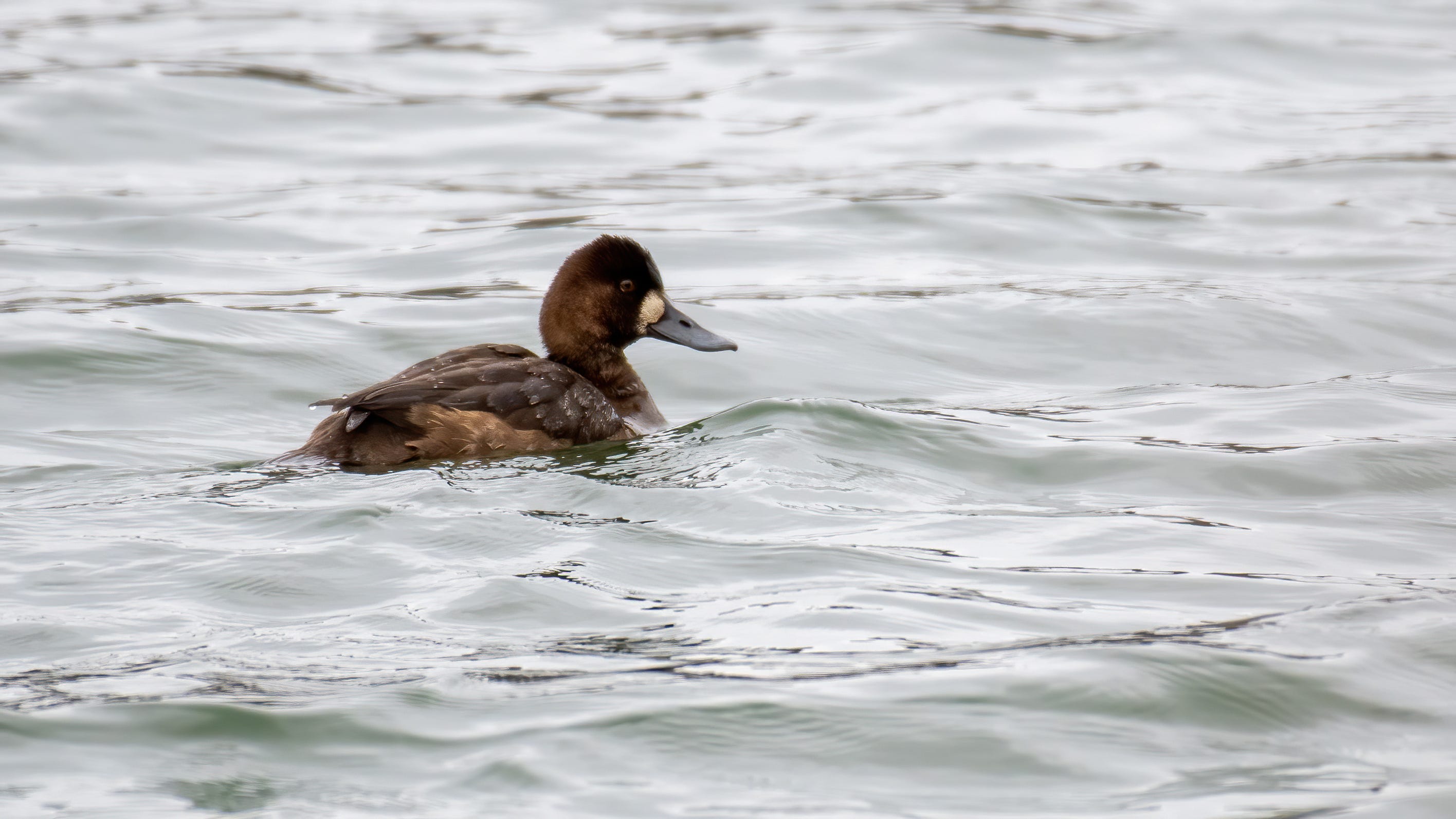
It is, and I love waterfowl. Greater and Lesser Scaup. Harlequin, Ring-necked, and Wood Duck. Any grebe, Northern Pintail, even Common Eider. The less common King Eider too.
I also like the alliterative element of “winter is for waterfowl.”
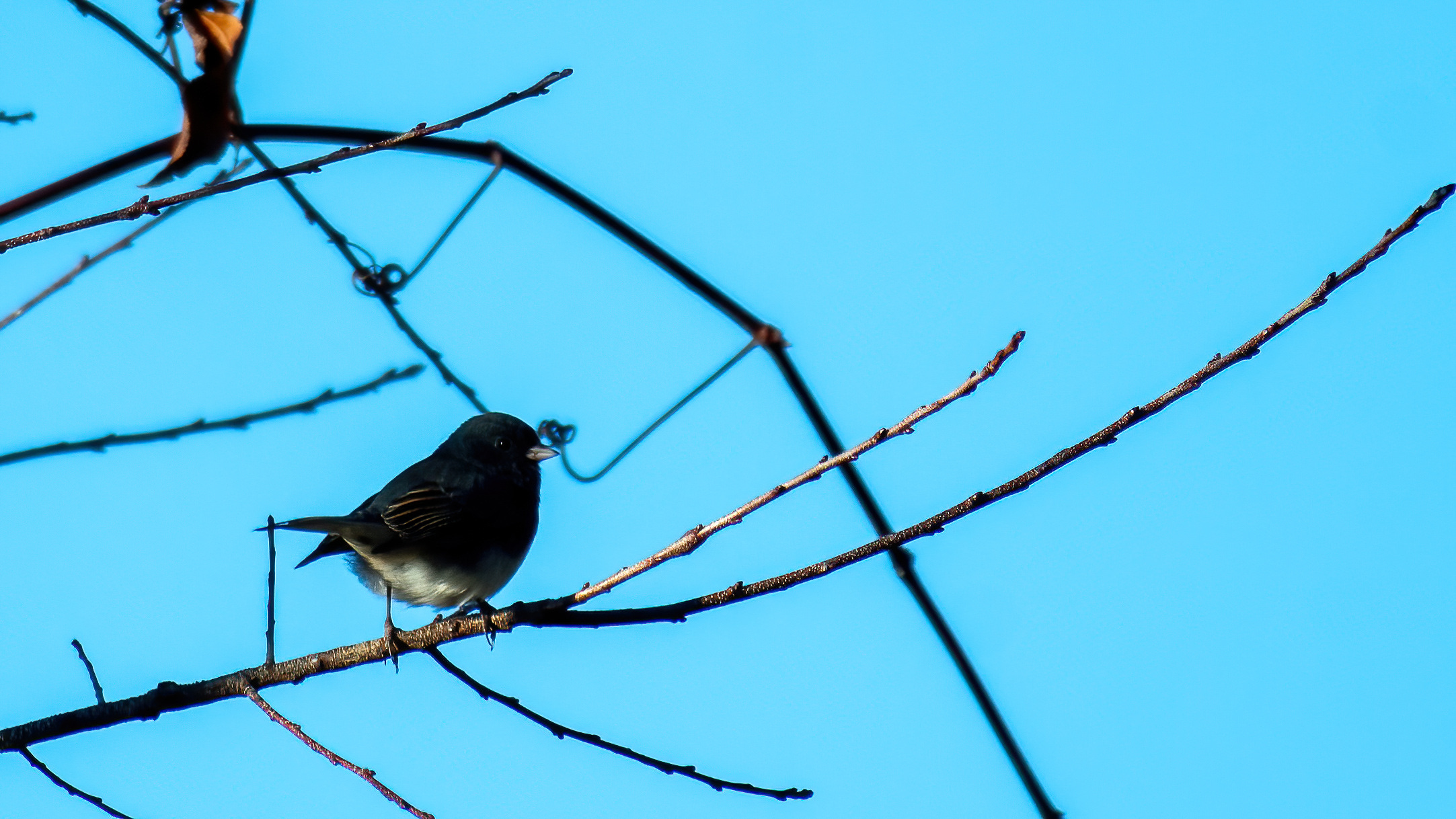
That said, there’s an argument to be made that winter is for “snowbirds.” Dark-eyed Junco. A species of sparrow, often found on the ground.
Whenever I start thinking about a specific species of bird, I consult two books aside from field guides. Sketches of New England Birds, by William E. Davis Jr., and Thoreau’s Notes on Birds of New England. I’m a proud New Englander; despite his flaws we have a soft spot for Thoreau. Thus my penchant is to wonder if he had anything to say about a bird.
He called these “slate-colored juncos,” or “slate-colored snowbirds.” A Slate-colored Junco is an abundant form of Dark-eyed Junco, one found in the eastern states and Canada. There are over a dozen forms. Slate-colored, White-winged, Pink-sided, Gray-headed, Red-backed, others.
As the birds I see are Slate-colored, Thoreau too saw Slate-colored Junco. He devoted an awful lot of time to describing their song: “a very pleasant, enlivening, and incessant jingling and twittering chill-lill-lill.” The Cornell Lab adds that the song is “an even, musical trill of 7-23 notes that lasts up to 2 seconds,” similar to a Chipping Sparrow’s song or Pine Warbler’s. To return to Thoreau, he called it “a somewhat shrill jingle, like the sound of ramrods when the order has been given to a regiment to ‘return ramrods’ and they obey accordingly.” I love that comparison.
I went on a walk to see waterfowl. It’s nearly winter after all. Saw some. Ring-necked Duck, Bufflehead, American Black Duck, Mallard—but the day was taken by snowbirds.
It was the tail-end of my walk. Heading back to my truck, I felt disappointed I didn’t see a Wood Duck. I hadn’t expected to see one, but hoped to. It was a locale where I’ve spotted them before. Years ago, I saw one in a cranberry bog I walked to; more recently I startled one while walking a boardwalk crossing some ponds. The startled duck pleasantly startled me. Wow—a Wood Duck!
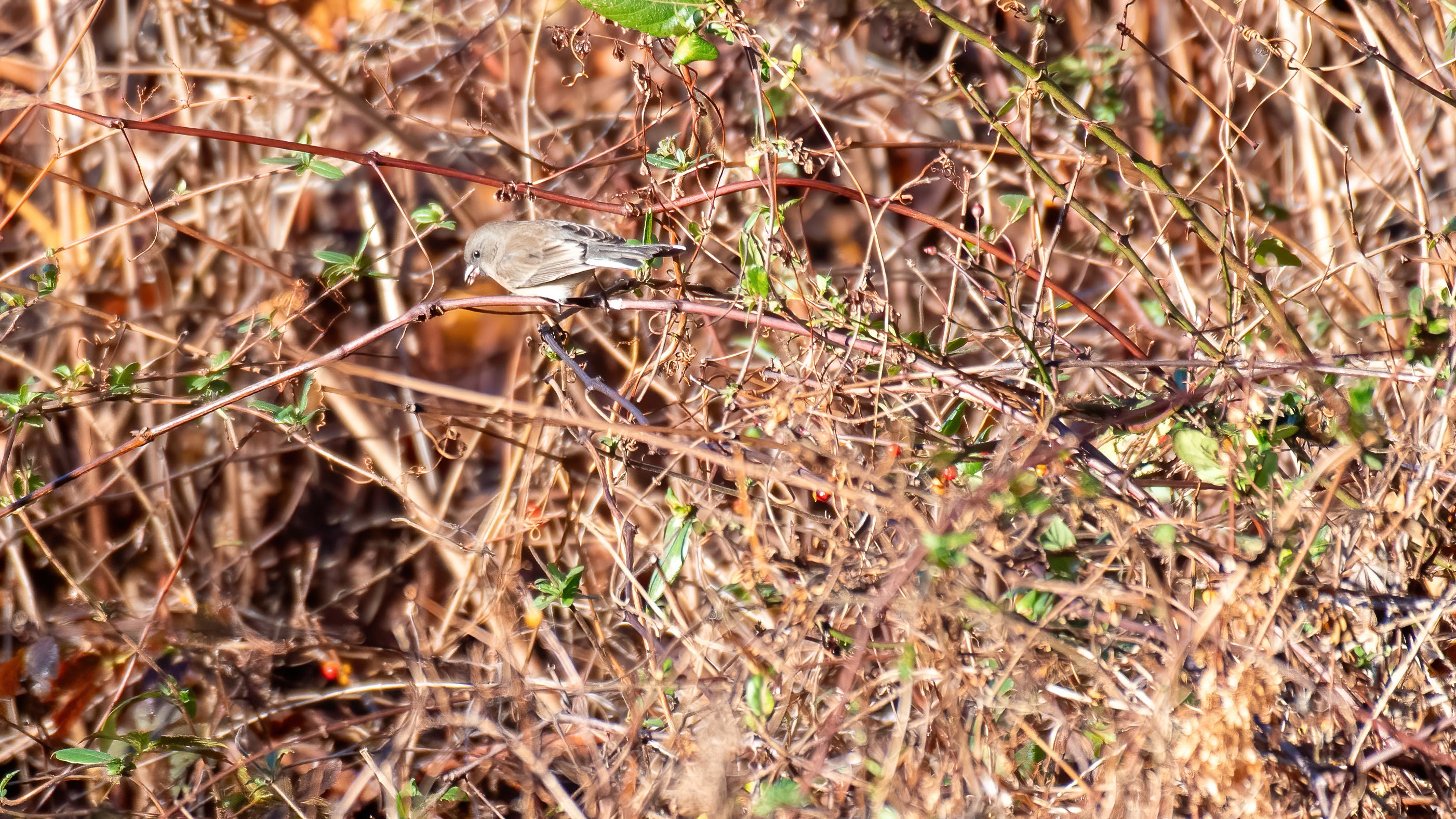
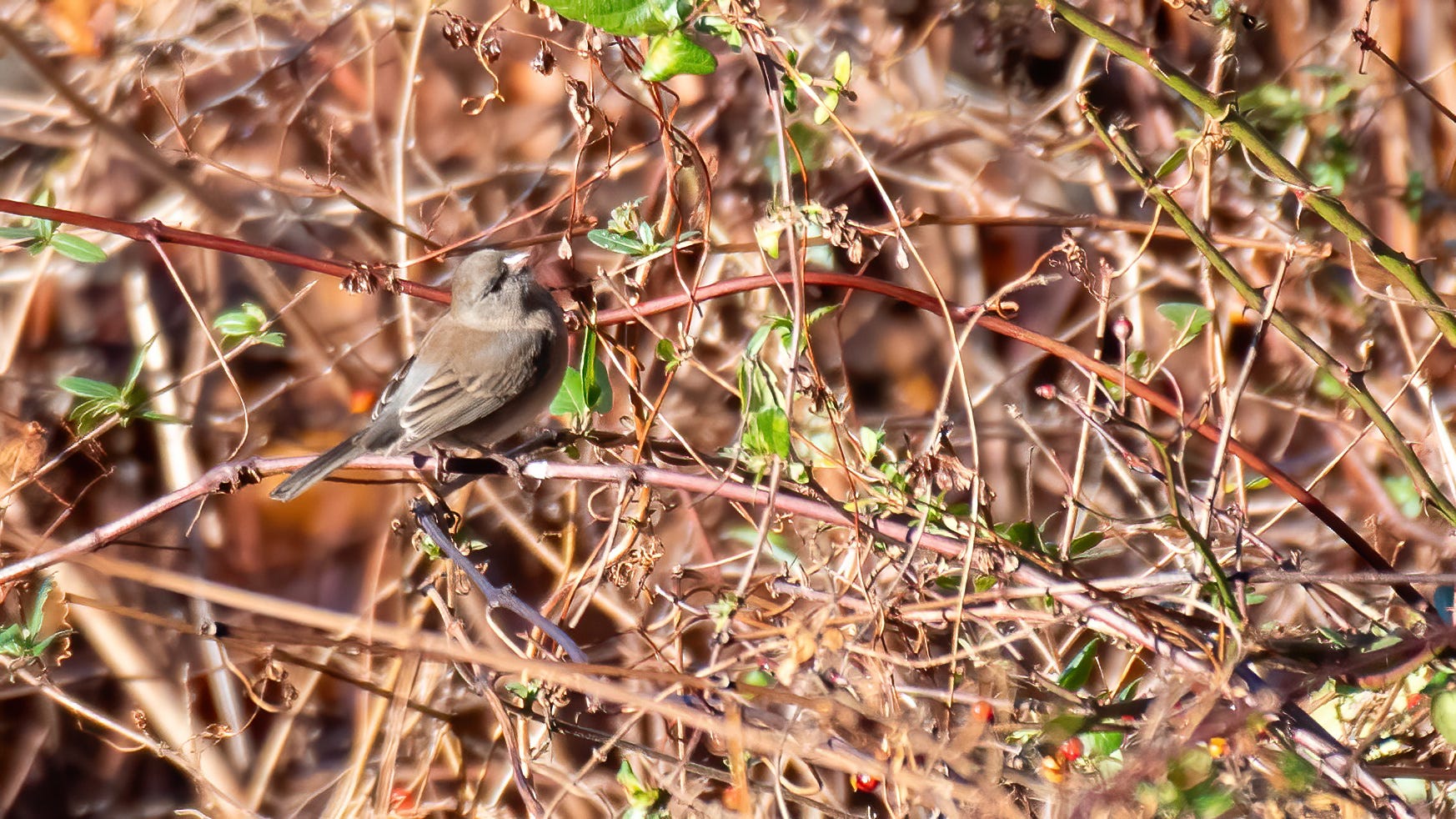
Not on this walk. My Wood Duck-induced disappointment abated when I saw and heard a group of Dark-eyed Junco flitting about a downed tree, returning ramrods.
Unless you take the time to look, they can appear unremarkable. “LBBs.” But are they even really brown? Slate-colored is apt for the ones I see. In the first picture I include here, not the best lighting, the bird looks pretty much just black. There can be discreet, easily overlooked rust-colored elements too. You see these more often in females and immatures. They’re also sometimes more prominent in other forms of the bird than Slate-colored. Across the board, the bill is pale.
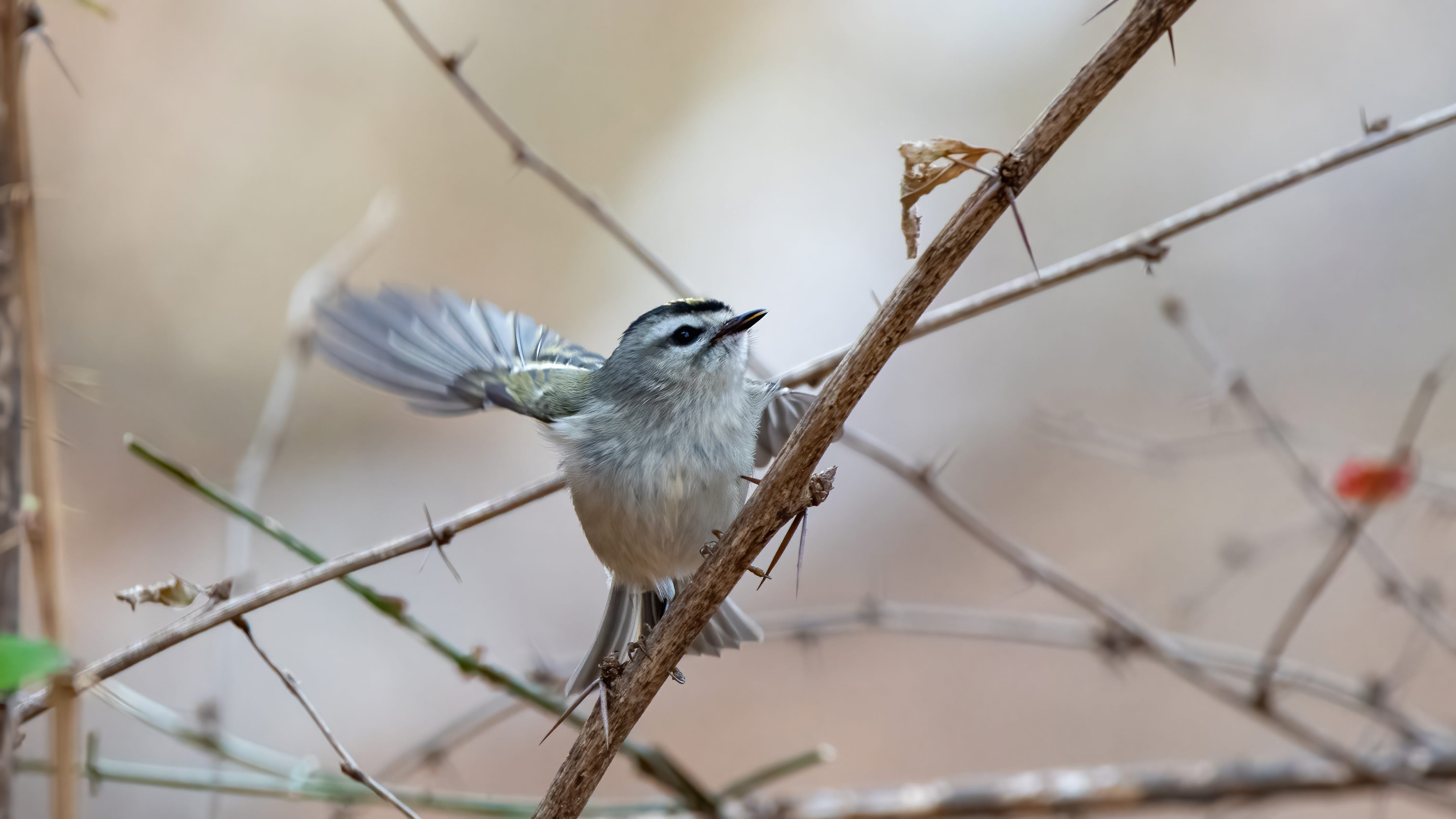
Winter might be for waterfowl, but there are other amiable avian elements I associate it with. A Golden-crowned Kinglet’s song; a White-throated Sparrow eating berries; an increase in Horned Lark; lingering Dunlin and Sanderling; Dark-eyed Junco in abundance.
There are drawbacks to winter. For years it was my favorite season, an acquired taste; now it is not. It’s been overtaken by spring and fall—for the warblers and other reasons. In winter we have shorter days, less sunlight, colder weather. At least we can spend more time appreciating the moon and stars.
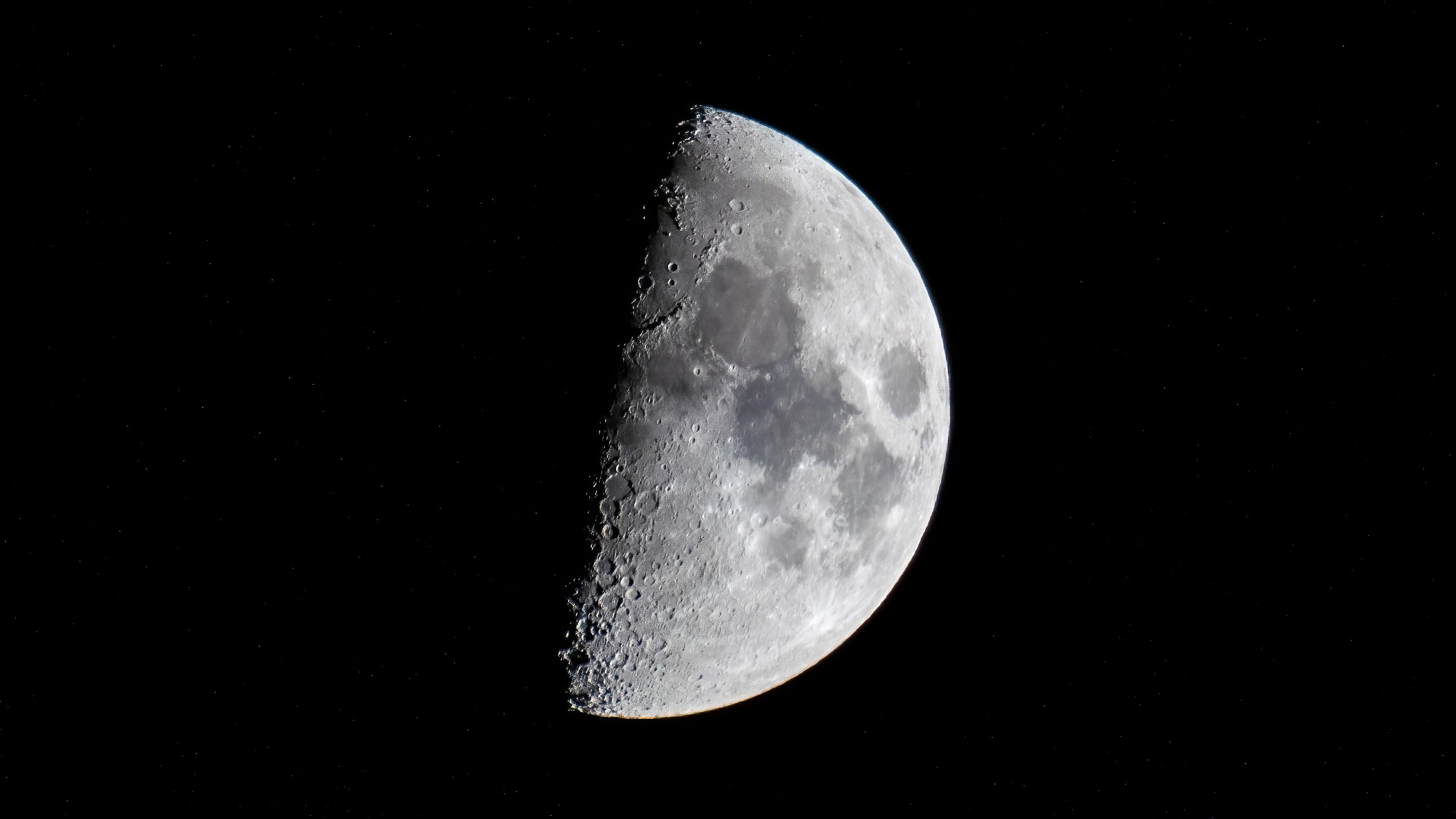
Moon and stars notwithstanding, checking the “feels like” temperature can be disheartening. And in the mornings we must scrape ice from windshields before shivering at cold steering wheels. Restrictive layers of clothing become necessary.
But the birds of the season—Dark-eyed Junco, waterfowl, others—can help assuage any inklings of sadness brought about by the time of year.
Thank you. I have been an avid birder for four decades across five continents. I never tire of stopping to see a bird, especially one to add to the Life List. I love juncos, too, a little secret I'd appreciate your keeping between us.
I like that call the Dark-eyed Juncos make. I can never seem to get a decent photo of them though. They're either constantly hopping around in hedges or flying away from me and I am only able to see their inverted V white tail feathers. That moon photo is excellent!